Edible Weeds
Discover the hidden culinary potential growing right in your backyard or local park.
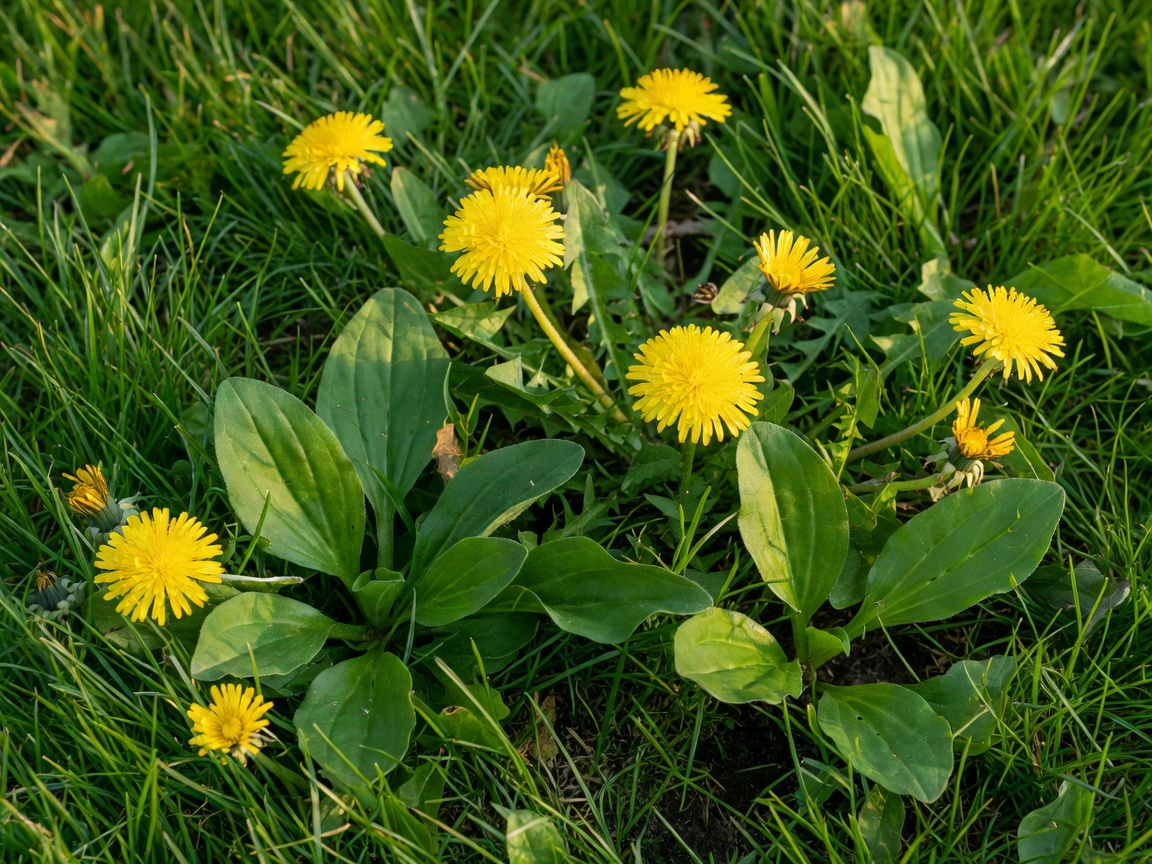
Rethinking the Weed
A "weed" is simply a plant growing where a human decided it shouldn't. Many of the most common weeds eradicated from lawns and garden beds are actually highly nutritious, completely edible plants that were historically cultivated for food and medicine. Foraging for edible weeds is an excellent way for beginners to start, as these plants are incredibly abundant, easy to identify, and accessible without traveling to deep wilderness.
The Ubiquitous Dandelion (Taraxacum officinale)
Perhaps the most recognizable weed on the planet, the dandelion is edible from root to flower. The leaves, deeply toothed and growing in a basal rosette (radiating from the base, flat to the ground), are packed with vitamins A, C, and K, as well as calcium and potassium. They are best harvested in the early spring before the plant flowers, as the leaves become increasingly bitter as the season progresses.
The yellow flower heads can be picked and the petals separated to make dandelion wine, syrups, or sprinkled over salads for a burst of color. The long taproots can be dug up, roasted until dark, and ground to create a robust, caffeine-free coffee substitute. Ensure you are identifying a true dandelion by checking the stem; it should be completely hollow and exude a milky white sap when broken.
Common Chickweed (Stellaria media)
Chickweed is a sprawling, low-growing annual that thrives in cool, damp soils. It is characterized by small, oval, opposite leaves and tiny white flowers that appear to have ten petals, but actually have five deeply cleft ones. A key identifying feature is a single line of fine hairs running down the stem, which switches sides at every leaf node.
Flavor-wise, chickweed tastes remarkably like fresh corn silk or mild spinach. It is highly valued for its tender texture, making it an excellent base for raw salads or a delicate garnish. Because of its high water content, it reduces significantly if cooked, so it is best utilized raw or added to hot dishes at the very last second.
Purslane (Portulaca oleracea)
Often found in the cracks of hot summer sidewalks and the edges of vegetable gardens, purslane is a succulent trailing plant with thick, fleshy leaves and reddish stems. It is a nutritional powerhouse, containing more Omega-3 fatty acids than any other leafy vegetable known to date.
Purslane has a slightly sour, lemony, and salty flavor with a crisp texture. It can be eaten raw in salads, pickled, or added to soups and stews where its mucilaginous (slightly thick) quality helps act as a natural thickener. When identifying purslane, look for its prostrate growth habit and tear-drop shaped succulent leaves. Beware of Spurge, a toxic look-alike that grows in similar environments; Spurge has much thinner leaves, a woody stem, and exudes a milky white sap when broken, whereas purslane has clear sap.
Harvesting Safely in Urban Environments
While urban and suburban foraging is highly convenient, it introduces a unique set of safety concerns regarding contamination. You must be hyper-vigilant about where you harvest your weeds.
Avoid foraging within 50 feet of busy roads, as the soil can accumulate heavy metals and pollutants from vehicle exhaust and tire runoff. Similarly, avoid industrial sites, active train tracks, and areas with known historical contamination. In parks and residential neighborhoods, the primary concern is the application of herbicides and pesticides. If a lawn looks suspiciously pristine except for a few wilting weeds, do not harvest there. Stick to areas you know are untreated, such as your own garden, or spaces managed organically. Always wash urban-foraged plants thoroughly in cold water before consumption to remove dust, grit, and biological contaminants from domestic pets.