Foraging Ethics
Preserving wild spaces through mindful, sustainable harvesting practices.
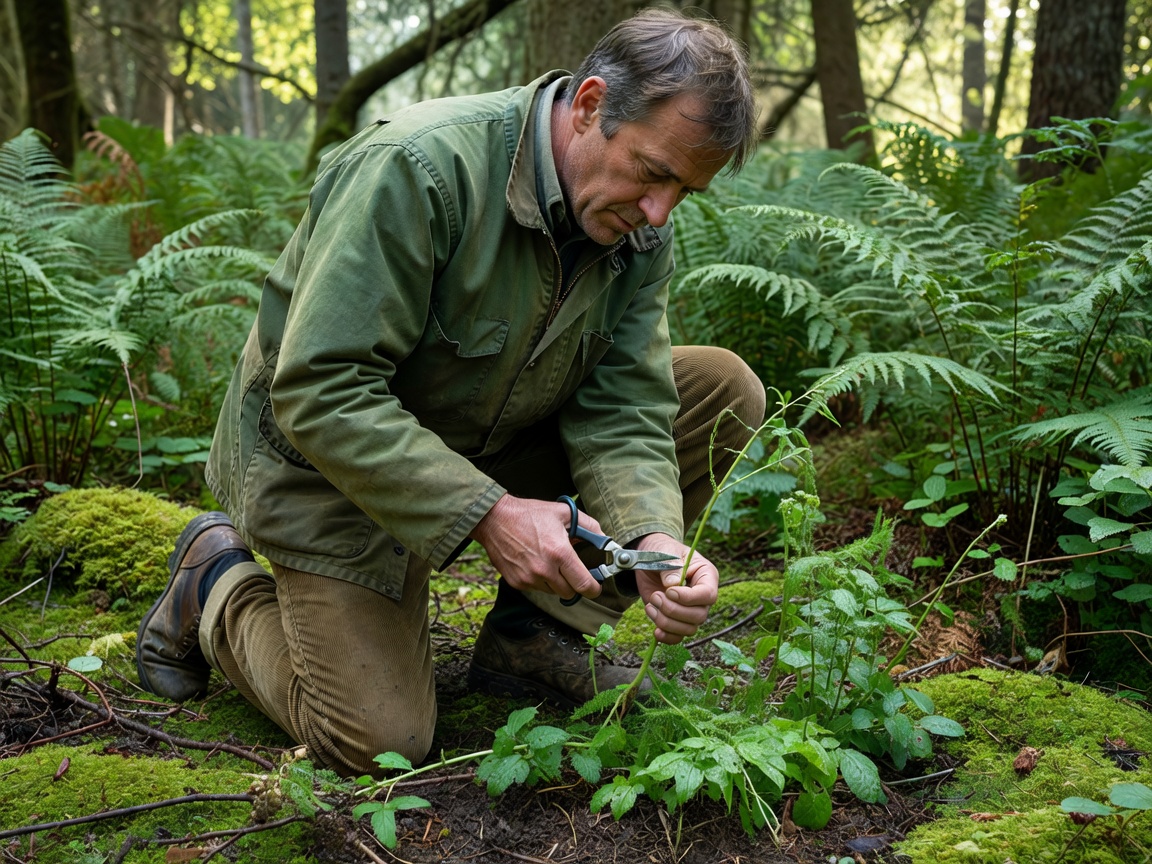
The Forager's Responsibility
To forage is to enter into a direct relationship with the natural world. It demands a shift in mindset from being a mere consumer of resources to becoming a steward of the environment. Irresponsible foraging—over-harvesting, destroying root systems, trampling habitats—can decimate local plant populations in a single season. As the popularity of wild foods surges, it is absolutely critical that foragers adhere to strict ethical guidelines to ensure these ecosystems remain resilient and abundant.
The Rule of Thirds
The cornerstone of sustainable harvesting is widely known as the "Rule of Thirds." When you locate a patch of wild edibles, you should visually divide it into three parts. Leave the first third for wildlife; many animals, insects, and pollinators rely exclusively on these native plants for survival. Leave the second third for the plant's own reproduction, allowing it to flower, seed, and multiply for future years. You may harvest from the final third. If a patch is small or struggling, do not harvest from it at all. The goal is that a casual observer walking by after you leave should not be able to tell you were ever there.
Methods of Collection
How you harvest is just as important as how much you take. Never rip or pull plants indiscriminately. Use a sharp knife or a pair of pruning shears to make clean cuts, which heal faster and minimize the risk of infection to the remaining plant. Unless you are specifically harvesting roots (which inherently kills the individual plant), never uproot a perennial. When gathering mushrooms, opinions differ on whether to cut or pluck, but ensuring you do not disturb the underlying mycelial network in the soil is universally agreed upon.
Endangered and Rare Species
Ignorance of a plant's conservation status is not an excuse for harvesting it. Foragers have a moral and legal obligation to familiarize themselves with local threatened, endangered, and protected species. Harvesting wild orchids, certain rare lilies, or slow-growing medicinal roots like wild ginseng is strictly prohibited in many jurisdictions due to severe population decline. Always focus your efforts on abundant, invasive, or prolific species (like dandelions, garlic mustard, or Japanese knotweed) where your harvesting actually benefits the local ecology by controlling their spread.
Legal Frameworks and Trespassing
Ethical foraging also involves respecting human boundaries. Land ownership and foraging rights vary vastly by country and state. In many regions, foraging on private land without explicit permission constitutes trespassing and theft. On public lands, such as national parks, nature reserves, and municipal parks, foraging is often strictly regulated or entirely banned to preserve the habitat. Some national forests allow limited harvesting for personal use but forbid commercial harvesting without a permit. Always verify the specific regulations of the exact parcel of land you intend to visit before you begin gathering.
Leave No Trace
Finally, foraging excursions should adhere strictly to "Leave No Trace" principles. Do not trample delicate undergrowth to reach a specific plant; stick to established trails where possible. Pack out all trash, do not build unauthorized fires, and respect wildlife by keeping your distance. The ultimate mark of an ethical forager is leaving the forest healthier and more respected than when they arrived.